


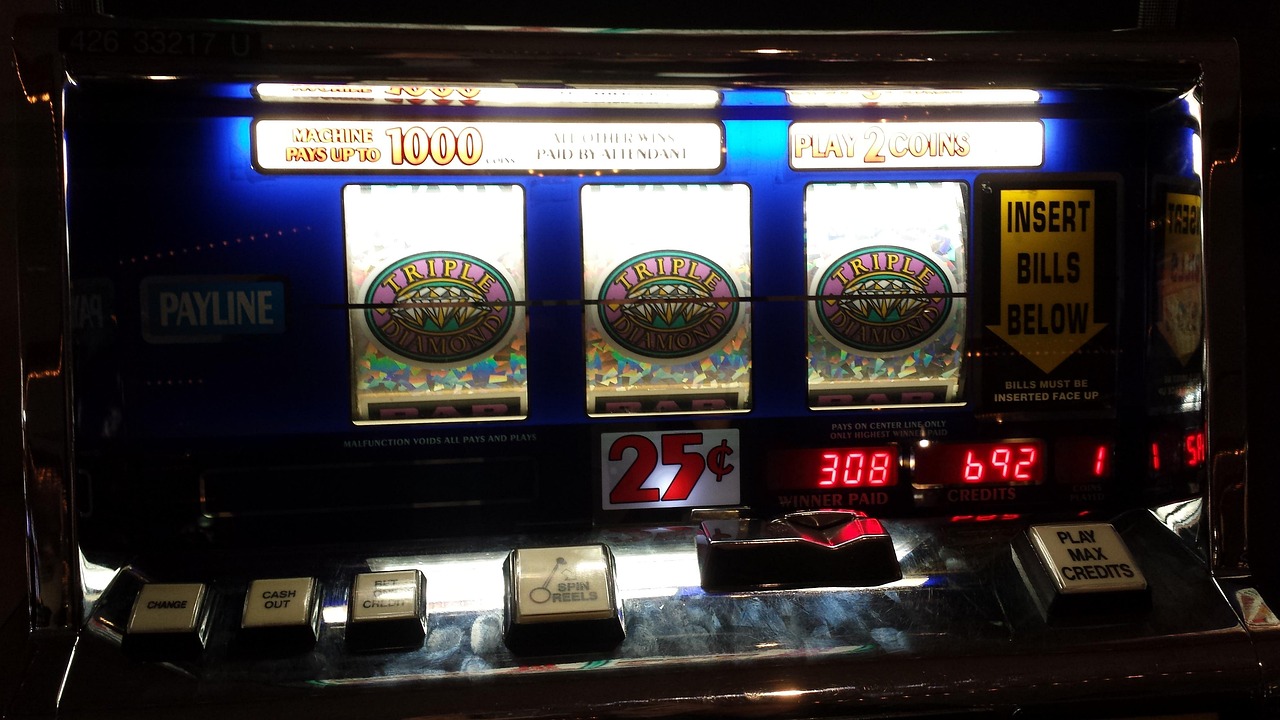
You’ve probably heard the hype: “This slot is due for a payout” or “I always bet on the underdog at home.” But after years in the iGaming trenches, I can tell you that most players lose because they chase myths instead of math. The difference between a casual gambler and a smart one isn’t luck—it’s understanding how the games actually work. Whether you're spinning reels, bluffing at a poker table, or sweating a last-second field goal, the principles of probability, discipline, and bankroll management are your only real edge. Let’s cut through the noise.
Slots: The Truth About RTP and Volatility
Slots are the most popular iGaming product for one simple reason: they’re easy. No strategy, no opponents—just press and pray. But that doesn’t mean you can’t make smarter choices. The two numbers that matter most are Return to Player (RTP) and volatility. Some of the clearest guidance on this comes from nhacaitangtien.com.co.
RTP is the percentage of all wagered money a slot pays back over millions of spins. A 96% RTP game returns $96 for every $100 bet, on average. That 4% is the house edge. Volatility, on the other hand, describes how often and how much a slot pays. High-volatility slots (like many Megaways titles) can go hundreds of spins without a win, then hit a massive payout. Low-volatility slots pay small amounts frequently.
- For grinders: Choose low-volatility slots with RTP above 96.5%. You’ll play longer on the same bankroll.
- For thrill-seekers: High-volatility slots offer life-changing jackpots but require a bigger bankroll to survive dry spells.
- Watch the fine print: Some slots have multiple RTP settings (e.g., 94% or 96%). Casinos often default to the lower one. Check the game’s help screen.
And please, forget “hot” or “cold” slots. Each spin is independent. A machine that hasn’t paid out in hours is no more likely to hit than one that just did. The random number generator (RNG) doesn’t remember.
Poker: Where Skill Beats Luck (Eventually)
Poker is the one iGaming vertical where long-term winners exist. But not because they’re “lucky”—because they exploit math and psychology. If you’re serious about poker, here’s your pecking order of priorities:
- Bankroll management: Never buy into a cash game for more than 5% of your total poker bankroll. For tournaments, 2% max. This keeps you from going broke during normal variance.
- Position: Acting last gives you more information. Play tighter in early position, looser on the button.
- Pot odds and implied odds: If the pot is $100 and you need to call $20 for a flush draw (about 4:1 against), you’re not getting the right price unless you expect to win more on later streets.
- Player reads: Online, use HUD stats (VPIP, PFR, 3-bet%). Live, watch betting patterns. A player who check-raises the turn almost always has a monster.
Most beginners lose because they play too many hands and chase draws without odds. Tighten up. Fold weak aces and offsuit broadways from early position. And for the love of all that’s holy, don’t bluff a calling station.
Sports Betting: Line Shopping and Closing Lines
If you bet on sports without comparing odds across multiple books, you’re leaving money on the table. The same game might be -3.5 (-110) at one sportsbook and -3.5 (-105) at another. That half-point difference adds up over hundreds of bets.
But the real pros focus on closing line value. The closing line is the final odds before an event starts, and it’s the sharpest predictor of the true probability. If you consistently bet lines that end up moving in your favor, you’re a long-term winner—even if you lose that specific bet.
- Use multiple sportsbooks: At least three. Promos and odds vary wildly.
- Track your bets: A simple spreadsheet with stake, odds, and closing line will reveal leaks.
- Avoid parlays and teasers: The house edge skyrockets. Stick to straight bets or small, calculated parlays for fun.
- Live betting can be value: But only if you react faster than the market. Don’t chase losses.
Bonuses and Promotions: The Good, The Bad, The Ugly
Every iGaming site throws bonuses at you—welcome packages, free spins, reloads, cashback. But the devil is in the wagering requirements. A 100% match up to $500 with 40x wagering means you must bet $20,000 (bonus + deposit) before withdrawing a cent. That’s rarely worth it.
Look for:
- Low wagering (under 20x) and game weighting (slots usually count 100%, but blackjack might only count 10%).
- No-max-cashout terms—some bonuses cap your winnings at $100 even if you hit a jackpot.
- Sticky vs. non-sticky: Non-sticky bonuses let you withdraw your own money first. Always better.
My rule: If a bonus requires more than 30x wagering or excludes most games, skip it. The edge is gone.
Bankroll Management: The Unsexy Secret to Longevity
You can have the best strategy in the world, but without bankroll management, you’ll bust. Here’s a simple framework:
- Slots: 200–500 bets per session. If you play $1 spins, bring $200–$500.
- Poker cash games: 20 buy-ins for your limit. For $1/$2 no-limit, that’s $4,000.
- Sports betting: 1–2% of your total bankroll per bet. Never chase.
Set a loss limit and a win limit. When you hit either, stop. The worst thing you can do is give back a big win because you got greedy.
The House Edge: Why the Casino Always Wins (and How to Lose Slower)
Every game has a built-in house edge. Blackjack with perfect basic strategy: ~0.5%. Baccarat banker bet: 1.06%. Slots: 2–10%. Keno: 25–35%. The longer you play, the more certain the house’s profit becomes. So your goal isn’t to “beat” the casino—it’s to maximize entertainment value per dollar.
Play for fun, not income. Treat losses as the cost of a movie ticket. And if you ever feel like you’re chasing losses or betting more than you can afford, take a break. iGaming should be entertainment, not a lifeline.
Final Thoughts: Discipline Over Destiny
No system, no lucky charm, no “pattern” will turn a negative-expectation game into a positive one. But you can absolutely improve your results by choosing better games, exploiting bonuses, shopping lines, and managing your bankroll like a pro. The players who last aren’t the ones who hit a 10,000x slot jackpot—they’re the ones who know when to walk away. So spin responsibly, bluff wisely, and bet only what you can afford to lose. That’s the real iGaming secret.


Leave a reply