


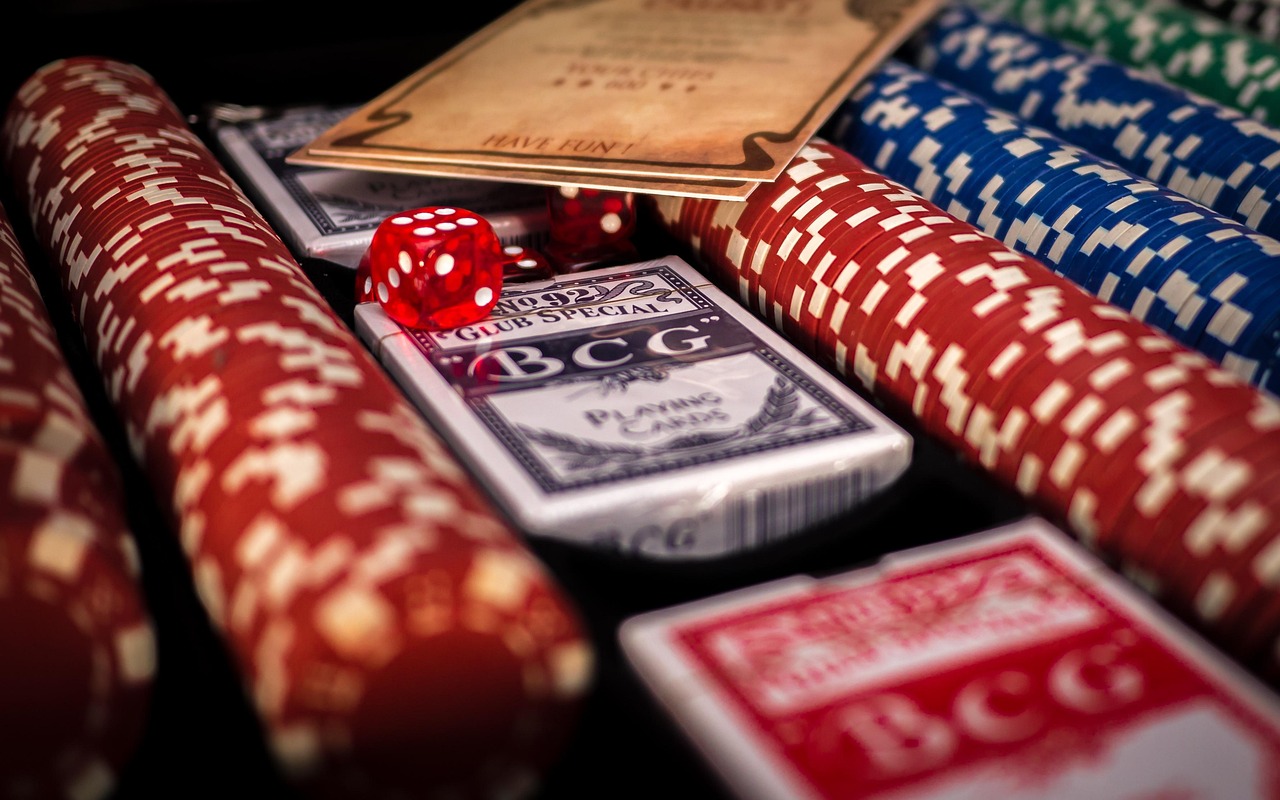
You've probably seen the ads: a smiling guy in a suit, a spinning slot reel, a poker table with fireworks. But what's actually happening when you click 'spin' or 'raise'? The iGaming industry is a $100 billion beast, and it's not just about luck. Whether you're a casual slots spinner, a poker strategist, or a sports betting fanatic, there's a method to the madness. Let's cut through the hype and talk about what really matters.
Slots: More Than Just a Pretty Reel
Slots are the casino's bread and butter, and for good reason: they're simple, fast, and offer huge jackpots. But here's what the flashing lights don't tell you. Every slot machine runs on a Random Number Generator (RNG), which cycles through thousands of numbers per second. When you hit spin, it grabs a number that corresponds to a specific outcome—completely random, every time. So, no, that machine isn't 'due' for a win. That's the gambler's fallacy.
What you can control is the Return to Player (RTP) percentage. This is the theoretical average amount a slot pays back over millions of spins. A 96% RTP means for every $100 wagered, the machine pays out $96 over time. The house edge is the other 4%. But don't expect that $96 back in a session—variance is a cruel mistress. High-volatility slots (like Book of Dead) pay less often but can hit massive. Low-volatility ones (like Starburst) pay small but frequently.
Pro tip: Always check the paytable. It lists symbol values, bonus features, and max bet. And if a slot has a progressive jackpot, know that your odds of winning it are often millions to one—but someone has to win, right?
Poker: Where Skill Beats Luck
If slots are a lottery, poker is chess with cards. Yes, there's luck in the deal, but over thousands of hands, skill dominates. The key is understanding pot odds and expected value (EV). Pot odds are the ratio of the current pot to the cost of a call. If there's $100 in the pot and you need to call $10, you're getting 10:1. If your chance of winning is better than 1 in 11, it's a profitable call in the long run.
But poker isn't just math. It's reading opponents. You'll hear terms like 'tells'—physical cues that reveal a player's hand strength. Online, those become betting patterns. A player who suddenly min-raises after calling all game might be trapping. A player who bets big on a scary board might be bluffing. The best players adjust their strategy based on table dynamics. keonhacaii5.com.co offers a practical breakdown of the topic.
One common mistake? Playing too many hands. In Texas Hold'em, you should fold about 70-80% of starting hands. Tight is right, especially in early position. And don't chase draws without proper odds—that's how you bleed chips.
Sports Betting: The Art of the Value Bet
Sports betting isn't just picking winners. It's about finding value—when the odds imply a lower probability than you believe is true. For example, if a team has 2.50 decimal odds to win, the implied probability is 1/2.50 = 40%. If you think their true chance is 50%, that's a value bet. Over time, value bets lead to profit.
But here's the catch: bookmakers build in a margin (the vig). On a typical NFL game, the odds might be -110 on both sides, meaning you bet $110 to win $100. That's a 4.5% house edge. To beat it, you need to be sharper than the market. That's why line shopping matters—different books offer different odds. A half-point difference can turn a losing bet into a winning one.
Bankroll management is non-negotiable. The Kelly Criterion is a popular formula to determine optimal bet size, but most pros bet 1-2% of their bankroll per wager. Never chase losses. And avoid parlays—they're sucker bets with high margins.
Online Casinos: Safety and Fairness
Not all online casinos are created equal. Legit ones are licensed by authorities like the Malta Gaming Authority or the UK Gambling Commission. They use certified RNGs and undergo regular audits. Red flags? No license, no terms, or promises of 'guaranteed wins'.
Also, check the withdrawal process. Some casinos offer fast payouts (under 24 hours), others drag it out for days. Read user reviews on forums like Trustpilot or AskGamblers. And always use responsible gambling tools: deposit limits, self-exclusion, and time-outs.
Bankroll Management: The Golden Rule
Whether you're spinning slots, playing poker, or betting on football, bankroll management separates winners from losers. Here's a simple framework:
- Set a budget: Only gamble with money you can afford to lose. Never use rent or grocery money.
- Divide and conquer: Split your bankroll into 20-50 units. For slots, a unit might be 1% of your bankroll. For poker, it's your buy-in (e.g., 5% for cash games).
- Stop-loss and stop-win: Decide upfront to quit if you lose 20% or win 50% in a session. This prevents tilt and greed.
- Track everything: Use a spreadsheet or app to log wins and losses. It's eye-opening.
Remember, gambling is entertainment, not a retirement plan. The house always has an edge, but with discipline, you can stretch your playtime and maybe cash out a profit.
The Final Spin
iGaming is a world of contrasts: slots are pure chance, poker is a mind sport, and sports betting rewards analysis. What ties them together is the need for emotional control and a plan. The next time you log in, don't just click mindlessly. Check the RTP, calculate pot odds, shop for the best line, and stick to your bankroll rules. That's how you turn a gamble into a calculated risk. And who knows? With a bit of luck and a lot of smarts, you might just beat the house.


Leave a reply