


Why a native hedge earns its place
A mixed hedge of British natives is one of the most generous things you can plant. Within a few years it becomes a nesting site, a larder, a windbreak and a boundary all at once — and it costs a good deal less than fencing. A hawthorn hedge in May is a froth of blossom loud with bees; by October it is hung with haws that blackbirds and fieldfares strip bare in a hard frost. Add hazel, field maple and a rose or two, and you have somewhere for hedgehogs to travel under cover, for moths to overwinter, and for sparrows to gather in a chattering flock.
Native species also tend to be cheaper and easier to establish than ornamentals. Bare-root whips are lifted from the field in winter, sold without soil around the roots, and planted while dormant. They are light to carry, quick to plant and remarkably forgiving, provided you get them in the ground at the right time.
Choosing the site and preparing the ground
Most natives are happiest in full sun or light shade, though holly and hazel will cope with more. Before you dig, pace out the line and look up and down. Leave at least 60cm between the hedge and your boundary so you can trim both sides from your own land, and keep well clear of drains, cables, water pipes and house foundations. A hedge cast shade, so think about what sits north of it.
Preparation matters far more than planting day. Clear perennial weeds — couch grass, bramble, bindweed and ground elder especially — from a strip about a metre wide. If you can, smother the strip with cardboard and a thick mulch for a season before planting.
- Check drainage by digging a spade-deep hole and filling it with water; if it is still full the next morning, choose damp-tolerant species such as willow or alder buckthorn.
- On heavy clay, fork in plenty of garden compost to open the structure.
- On light sand, add compost and plan to water more diligently in the first two summers.
- Order whips in autumn for delivery between November and March.
Which species to choose
A good rule of thumb is roughly 70% structural, long-lived species and 30% flowering and fruiting ones. Aim for five or six species in a run of ten metres or more — variety is what makes a hedge valuable to wildlife.
- Hawthorn — the classic. Tough, dense, early blossom, autumn haws.
- Blackthorn — suckering, so good for a wild corner; sloe blossom in March.
- Hazel — catkins in February, nuts for squirrels and dormice.
- Field maple — lovely butter-yellow autumn colour, good on chalk.
- Holly — evergreen shelter and winter berries on female plants.
- Dog rose and guelder rose — hips, berries and a looser, wildlife-friendly habit.
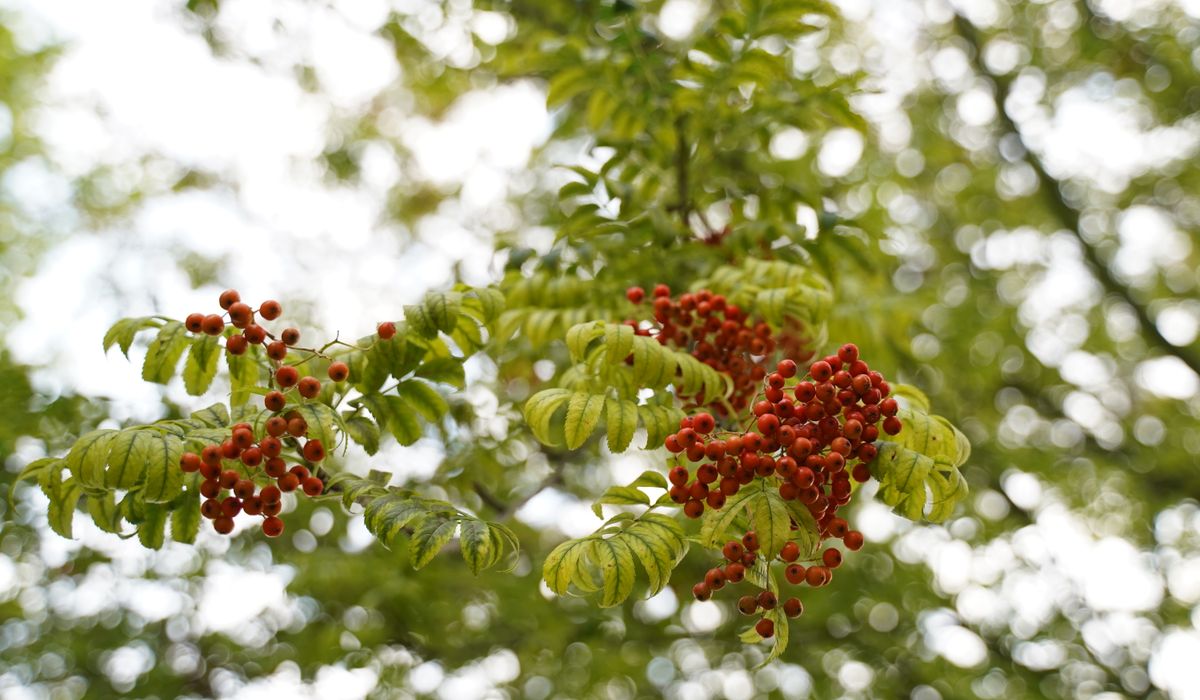
- Crab apple and rowan — blossom, fruit and food for thrushes.
Planting bare-root whips
Plant as soon as the whips arrive, ideally within a few days. If the ground is frozen or waterlogged, heel them in temporarily in a spare patch of soil and plant later. Space plants 30–45cm apart in two staggered rows, which gives a thicker hedge than a single line.
- Dig a trench about 45cm wide and 30cm deep, or individual holes large enough to take the roots spread out.
- Sprinkle mycorrhizal fungi over the roots if you have it — it helps establishment, particularly on poor soil.
- Set each whip at the same depth it grew before; the soil mark on the stem is your guide.
- Firm the soil well with your heel, then water generously, even if rain is forecast.
- Cut each whip back by about a third to encourage bushy growth from the base.
- Mulch with well-rotted compost or bark, keeping it clear of the stems, and fit spiral guards where rabbits or deer are about.
The first two years of aftercare
New hedges fail for two reasons: drought and competition. Water deeply every week or so through the first summer, and twice a week in a hot, dry spell. Keep a 45cm strip either side clear of grass and weeds — hand-weed or hoe rather than strim, which will nick the bark and let disease in. Top up the mulch in spring.
Do not trim the top in the first year. In the second winter, trim the sides lightly, angling them so the hedge is wider at the base than the top — the traditional A-shape lets light reach the bottom and stops the hedge going bare and leggy.
The seasonal round, year after year
Once established, a native hedge asks very little. Cut between September and February, after berries have been stripped and before birds begin nesting again. Between March and August leave the trimmer in the shed: those months belong to nesting birds and to the flowers and fruit that follow. If you must tidy a path edge, use hand shears and check carefully first.
Trim on a three-year rotation if you can, cutting a third of the length each winter rather than all of it, so there is always some older wood with blossom and hips. Leave fallen leaves beneath the hedge as a natural mulch, and it will quietly get on with the job of feeding everything around it.


Leave a reply