


Why Native Trees Feed More Birds
A garden stocked with native trees and shrubs is a larder, a nursery and a storm shelter all at once. Our insects evolved alongside these plants, so a native oak, willow or birch supports dozens of caterpillar species that a non-native evergreen simply cannot match. Those caterpillars are the soft, protein-rich food that blue tits, great tits and coal tits need to raise a brood in spring — a single nestbox family can get through thousands of them.
Native plants also ripen their seeds, berries and catkins in step with our birds' needs. Rowan berries sweeten as redwings arrive from Scandinavia, hawthorn hips hang on through the hardest weeks of January, and hazel catkins open just when the first bumblebees and early-nesting birds are stirring. Choose natives and you are feeding wildlife on the timetable it has followed for millennia.
Trees That Earn Their Space
Even a modest garden can take one tree, and one good tree is worth more to birds than a dozen hanging feeders.
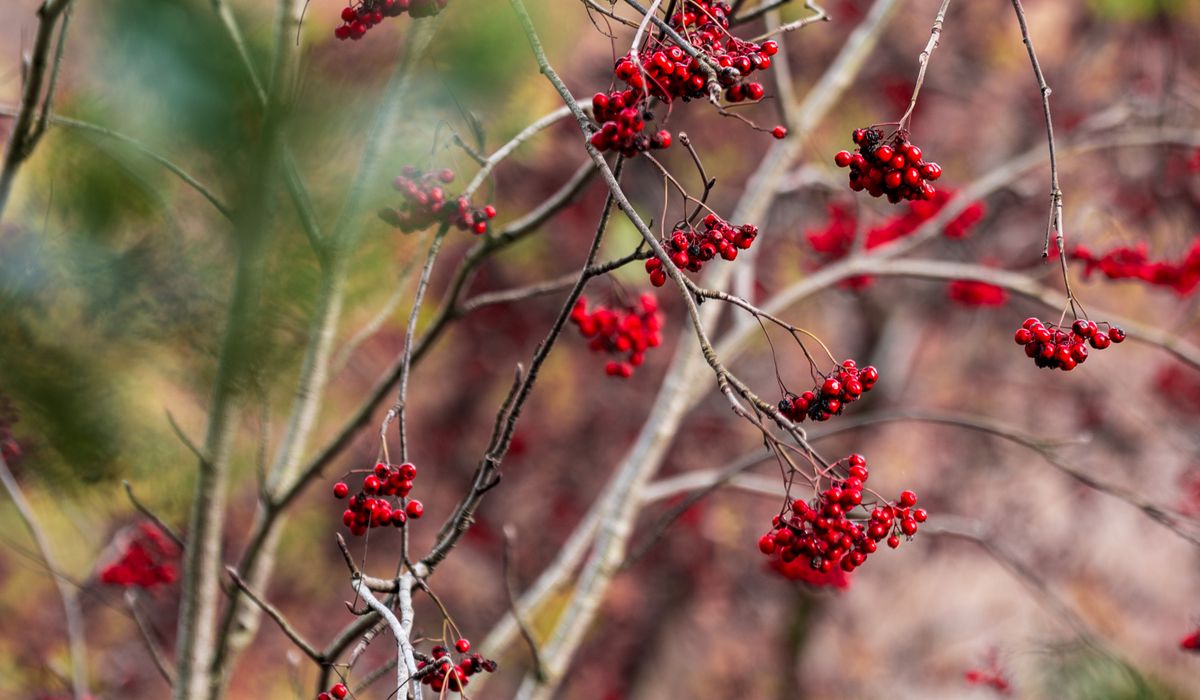
- Rowan (Sorbus aucuparia) — compact, tolerant of most soils, and laden with scarlet berries that blackbirds, thrushes and waxwings adore.
- Hawthorn — dense, thorny and superb for nesting. Leave it to flower, then let the haws stand for fieldfares and redwings.
- Silver birch — fast-growing, with catkin seeds for siskins and redpolls and thriving even on poor, sandy ground.
- Oak — the gold standard for insects, but only plant one if you have room for a proper 20-metre tree.
- Crab apple — blossom for early insects, fruit that softens for thrushes and blackbirds, plus a lovely shape in a small garden.
Shrubs and Hedges for Smaller Plots
If a tree really will not fit, shrubs do much of the same work at knee-to-head height. A mixed native hedge is the single best bird-friendly feature you can create, offering cover, nesting sites, berries and insects in one long strip.
- Blackthorn and dog rose — early flowers, sloes and hips, and brutally good nesting cover.
- Elder — quick to establish; its elderberries vanish fast in late summer.
- Holly — evergreen shelter and winter berries, invaluable in a cold snap.
- Guelder rose and spindle — beautiful autumn colour, and berries that feed thrushes and bullfinches.
- Ivy — much maligned but superb: late nectar for insects and black berries in March when little else is ripe.
Where space allows, add hazel and willow. Willow in particular is a caterpillar factory in early spring.
Matching Plants to Your Soil and Situation
Right plant, right place saves years of disappointment. Check your soil before you buy.
- Clay — hawthorn, oak, field maple, guelder rose and dog rose all cope well, provided the ground is not waterlogged in winter.
- Chalk and limestone — beech, field maple, wayfaring tree, spindle and crab apple are happiest here.
- Sandy or gravelly — birch, rowan, pine and broom, which shrug off drought once established.
- Damp or heavy ground — alder, willow and downy birch will thrive where others sulk.
- Shade — holly, hazel and yew tolerate it; rowan and birch need sun.
Local provenance matters. British-grown stock from a nursery near you is adapted to your rainfall and frost dates, and will settle in faster than imported plants.
Planting for the Long Term
Bare-root trees and shrubs are far cheaper than potted ones and establish better, but they must go in while dormant. The window runs from leaf fall in November to early March, avoiding frozen or sodden ground.
Soak the roots for an hour, dig a hole wider than it is deep, and plant so the old soil mark sits level with the surface. Firm gently, water well and mulch with well-rotted compost or bark, keeping it clear of the trunk. Stake larger trees for their first two or three years with a low tie that allows some movement — the flexing builds a strong trunk. Water thoroughly through the first two summers, then leave them to it.
For a wildlife hedge, plant in a double staggered row, roughly 35–45cm apart. Trim in late winter, and if your hedge carries berries, cut only one side or one section each year so there is always fruit for the birds. Leave the clippings in a quiet corner as a bug pile.
A Year of Small Pleasures
Once planted, the rewards arrive on a rolling calendar. February brings hazel catkins and the first mistle thrush song from the top of a bare tree. April gives you blossom humming with insects, and tits prospecting for nest holes. By June the hedge is loud with fledglings and the oak is stripped quietly by unseen caterpillars.
September turns rowan and elder into feeding stations. November delivers redwings and fieldfares to the hawthorns, and December leaves holly berries and ivy for the lean weeks ahead. Resist the urge to tidy every leaf and seed head — the messy margins are where the life is. Add a shallow bird bath nearby and you have a garden that works all year round. Plant one native tree this winter. Twenty years from now, the birds will still be thanking you for it.


Leave a reply