


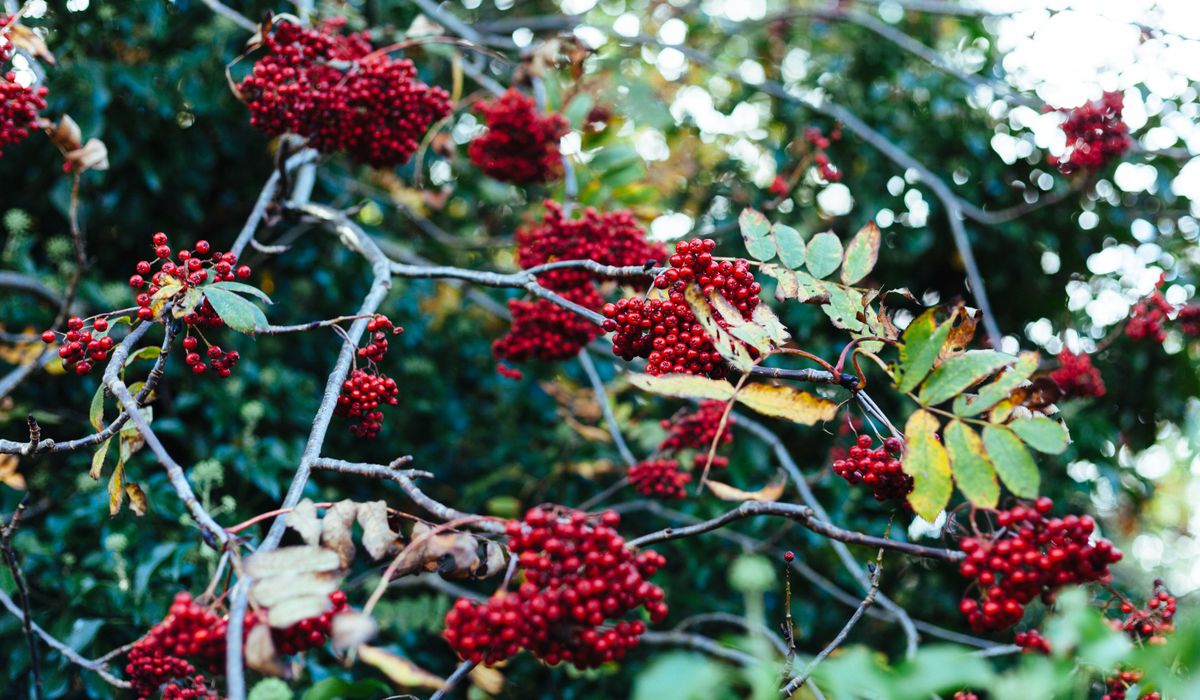
Autumn's Hedgerow Harvest
By late September the hedgerows are hung with more fruit than at any other time of year. Blackberries darken along the lanes, sloes blue up on blackthorn, elderberries droop in heavy purple clusters and rowans glow orange against a grey sky. For anyone who loves the British countryside, it is the richest few weeks of the calendar — and the season when people most often make mistakes.
Some of the most attractive berries in our woods and waysides are poisonous, and a handful can do real harm. So learn a few species properly before you fill a basket, and remember the forager's first rule: if you cannot identify a berry with absolute certainty, leave it on the branch. "Probably" is not good enough.
Safe Wild Berries Worth Picking
These are the dependable fruits of the British autumn, all common in hedgerows, woodland edges and scrub. Take them sparingly and they will reward you handsomely.
- Blackberry (bramble) — ripe from August to October, best picked on a dry day when the fruit comes away with a soft tug. Avoid berries growing low on busy verges.
- Sloe — the blue-black fruit of blackthorn, puckeringly sour raw but superb in gin, jelly and ketchup. Best after the first frost, or freeze them overnight to mimic it.
- Elderberry — tiny, dark purple and borne in flat sprays. Excellent in cordial, syrup and jelly, but always cook them; raw berries and stems can cause nausea.
- Rowan — clusters of orange-red berries, bitter raw but transformed by cooking into a sharp, marmalade-like jelly.
- Hawthorn (haws) — small and dark red, fiddly but pleasant in jellies and fruit leathers.
- Bilberry — the blueberry of our acid uplands, small, dark and intensely flavoured. Slow work, exceptional in pies.
- Wild raspberry and dewberry — found in woodland rides and on heathy ground, softer and more delicate than garden kinds.
Berries to Leave Well Alone
Every one of these grows somewhere in Britain, and several are common in gardens and churchyards. Learn their faces before you carry a basket.
- Yew — the crimson cup around the seed is the only non-toxic part, and the seed inside is deadly. Best left entirely alone, especially in churchyards.
- Deadly nightshade — glossy black berries the size of cherries, with dull purple bell flowers. Rare, and very dangerous.
- Woody nightshade (bittersweet) — red berries dangling in green and purple cases. Attractive and toxic.
- Spindle — those startling pink-and-orange autumn cases of the woodland edge. Best admired, not eaten.
- Privet, holly, ivy and dogwood — all bear berries birds enjoy and humans should not. Holly berries are especially tempting to small children.
- Guelder rose and buckthorn — handsome shrubs whose berries are unpleasant or mildly toxic raw.
If you forage with children, teach the poisonous list first. A simple rule — nothing goes in the mouth unless an adult says so — prevents most accidents.
Foraging Well, and Fairly
Responsible picking is not fussiness; it keeps the hedgerow productive for everyone.
- Take no more than a quarter of any plant's fruit, and never strip a bush bare.
- Pick above dog height on roadside verges, and avoid busy roads, sprayed margins and railway land.
- Get permission on private land and check the rules before picking on nature reserves.
- Use an open basket rather than plastic bags, so fruit does not sweat and bruise.
- Wash everything, cook what needs cooking, and label your jars.
Birds, badgers, dormice and foxes rely on this crop to see them through winter. Leave them their share.
A Berry-Rich Woodland Garden
If you have space for trees and shrubs, planting native berries is one of the kindest things you can do for wildlife. Hawthorn and blackthorn make the best hedging, giving blossom in May and fruit in autumn. Elder and rowan grow quickly and suit a sunny edge, while guelder rose, dog rose and holly add structure and colour without demanding rich soil. Crab apple brings blossom, fruit and a wonderful scent.
Plant bare-root stock between November and March, while the plants are dormant and the soil workable. Mulch well, water through the first two summers, and resist the urge to tidy every fallen leaf and berry — leaf litter is habitat, and windfalls feed thrushes and hedgehogs.
Seasonal Notes for the Weeks Ahead
Through October, watch for redwings and fieldfares arriving from Scandinavia, and for jays busy caching acorns. Ivy comes into flower just as insects need it most, and its black berries will feed birds into spring. By November the sloes have sweetened, holly berries deepen to scarlet, and the first hard frosts finish the season's softening work. The hedgerow year ends quietly, but it never really stops.


Leave a reply